By Brian L. Pitman, Owner / Operator, Proper Pest Control
Fall Pest Activity in The Woodlands
The first cool fronts of the year don’t end pest season in The Woodlands. They change where pests are active.
Cooler nights may drive some insects toward sheltered spaces, while warm afternoons allow others to remain active outdoors. With temperatures fluctuating throughout fall, pest problems can continue well into November and beyond.
Common fall pests include ants, cockroaches, spiders, wasps, termites, and mosquitoes. Understanding their seasonal behavior, recognizing conditions that attract them, and knowing when professional treatment is appropriate can help homeowners address pest problems before they become more difficult to manage.
Proper Pest Control provides residential pest control services in The Woodlands, Spring, Conroe, and surrounding Montgomery County communities.
How Fall Weather Changes Pest Activity
Insects are cold-blooded, so their activity depends heavily on temperature. Cooler conditions generally slow many insects, but species respond differently, and cold weather rarely lasts long in The Woodlands.
A November cold front may bring overnight temperatures into the 40s before afternoons return to the 70s. These brief changes can encourage pests to seek shelter without eliminating established populations.
Three conditions influence fall pest activity:
1. Established Pest Populations
Colonies that developed throughout spring and summer may be well established by October and November. Fire ant colonies, yellowjacket nests, and cockroach populations sheltered beneath mulch can remain active when temperatures are favorable.
2. Warmer Indoor Spaces
As outdoor temperatures drop, wall voids, garages, attics, and crawl spaces may offer more stable conditions. Certain insects move into these sheltered areas during cooler periods, particularly overnight.
3. Changing Moisture Conditions
Fall rainfall and damp conditions affect where pests gather:
- Fire ants: Rain can increase visible mound-building activity.
- Subterranean termites: Moisture influences their movement and foraging near the soil surface.
- Silverfish, earwigs, and cockroaches: Damp areas around siding, slab edges, and exterior openings can provide suitable shelter.
The result is continued pest activity around homes, even after the first cold fronts arrive.
Common Fall Pests in The Woodlands and Where to Find Them
Different fall pests require different approaches. Knowing where they live and how they behave helps homeowners identify problems and choose the right treatment.
Ants: Fire Ants Outdoors and Small Ants Indoors
Ant problems in The Woodlands generally fall into two categories:
- Fire ants outdoors: Fall rainfall can make mounds more noticeable across lawns. Bait treatments work best when ants are actively foraging.
Texas A&M AgriLife Extension’s two-step fire ant control method recommends broadcasting fire ant bait across the yard to reduce colonies, then treating individual problem mounds that require additional attention.
- Small ants indoors: Rover ants, odorous house ants, and Pharaoh ants may appear around kitchens, bathrooms, and plumbing areas. Identifying the species is important because treatment methods differ.
Spraying visible trails may not eliminate the colony and can worsen certain infestations, particularly Pharaoh ants.
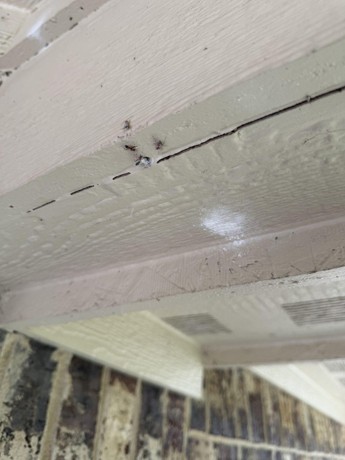
Caption: Carpenter ant activity near patio trim was traced to nesting locations in a
mature oak tree and the home’s eaves.
A Carpenter Ant Problem Found During an Annual Service
During an annual pest control service, Brian noticed carpenter ants moving across a patio.
With
buyers due to move in within days, he investigated rather than treating only the visible
ants.
He traced the activity to a parent colony in a mature oak tree and a satellite colony in the
eave
above the patio door, then treated both. This carpenter ant treatment was outside the
standard
annual-service scope, but he completed the additional work without a separate charge in this
particular case.
The important distinction is that treating ants on the patio would not have resolved the
nesting
activity above the door.
Cockroaches: Outdoor Species and Indoor Infestations
Not every cockroach sighting indicates the same problem. Three species are particularly relevant to homes in The Woodlands:
- American cockroaches: Often associated with damp outdoor areas, drainage systems, and mulch beds. They may enter garages and other sheltered spaces.
- Smokybrown cockroaches: Common around pine straw, tree cavities, vegetation, and attics.
- German cockroaches: Primarily indoor pests that can establish infestations in kitchens and other areas with food, water, and shelter.
An occasional outdoor cockroach entering a garage requires a different response than recurring German cockroach activity indoors. Correct identification and the frequency of sightings matter more than the calendar.
Spiders: More Visible Webs and Indoor Activity
Orb weavers and garden spiders can produce noticeable webs around porches, landscaping, and exterior lighting during fall.
Wolf spiders and common house spiders may also appear in garages and indoor spaces. Their presence can reflect available insect prey, suitable shelter, or occasional entry.
A few spiders do not automatically indicate an infestation. Repeated sightings, however, may warrant checking where they are entering and what attracts them.
Wasps and Yellowjackets: Established Nests During Fall
Paper wasps and yellowjackets can remain active during warm fall weather, particularly when colonies have had months to develop.
Paper wasp nests may be found beneath eaves, soffits, and covered outdoor structures. Yellowjackets may nest underground or inside structural voids, depending on the species.
Established nests can contain numerous defensive insects. Disturbing them, particularly near entrances or frequently used outdoor areas, creates an unnecessary stinging risk. Nest identification and location should guide removal.
Termites: Activity Can Continue Beyond Swarming Season
Subterranean termites do not become inactive simply because spring swarming season has passed. Colonies live underground and can continue feeding when soil temperature and moisture conditions are suitable.
According to
Texas A&M Urban Entomology’s guidance on subterranean termites, these pests depend on soil moisture and construct mud tubes to reach wood above ground.
They may access structures through foundation openings or wood-to-soil contact, allowing damage to develop behind walls, siding, and trim without obvious signs of activity.
Homeowners should not rely on visible swarms to identify a termite problem. Suspected activity warrants a dedicated inspection.
Mosquitoes: Warm Fall Days Can Sustain Activity
Container-breeding
Aedes mosquitoes can remain active into late fall in The Woodlands, sometimes through November.
Culex mosquitoes are also a concern because certain species transmit West Nile virus, with risk often extending into fall.
The most effective prevention starts with breeding sites:
- Drain standing water from birdbaths, plant saucers, toys, and gutters.
- Use mosquito dunks containing Bacillus thuringiensis israelensis (Bti) in standing water that cannot be drained, following the product label. Bti is a biological larvicide that targets developing mosquito larvae.
Other Fall Pests: Fleas, Silverfish, and Pantry Insects
Several less noticeable pests can remain active indoors as households prepare for the holidays:
- Overwintering insects: Asian lady beetles, stink bugs, boxelder bugs, and some crickets may enter protected spaces as temperatures decline.
- Fleas: Heated homes can support continued development, particularly where pets or infested materials are present.
- Silverfish and booklice: These moisture-associated pests may appear in bathrooms, closets, and storage areas.
- Pantry insects: Indian meal moths and flour beetles can infest stored grains, flour, cereals, and other dry foods.
Holiday decorations brought out of storage and increased use of pantry ingredients can reveal activity that previously went unnoticed.
Many of these problems are influenced by conditions homeowners can address through routine exterior maintenance, moisture management, and proper storage.
Ten Fall Pest Prevention Tips for Woodlands Homeowners
Fall pest prevention starts with removing the conditions that allow insects to hide, enter, and establish themselves around your home. These ten maintenance steps can help reduce pest activity.
1. Keep Mulch and Pine Straw Away from the Foundation
Maintain a 6-inch band of bare soil or gravel between mulch beds and the home’s brick foundation.
Mulch and pine straw piled against exterior walls provide sheltered, moisture-retaining areas for cockroaches and can create favorable conditions for termites.
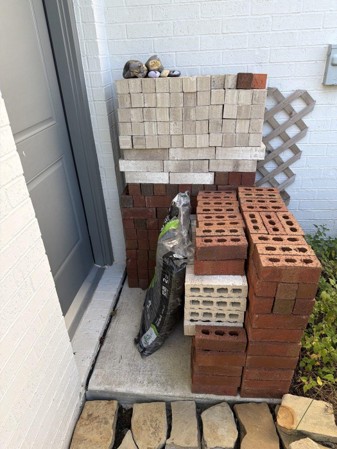
Caption: Stacked bricks, pavers, and mulch beside an exterior door create sheltered spaces where pests may hide.
2. Inspect Exterior Openings
Check accessible areas around:
- Utility lines and plumbing penetrations
- Window frames and exterior trim
- Foundation cracks and openings in brick or stone veneer
Seal suitable gaps using appropriate materials. Do not seal brick weep holes, which allow moisture to drain. Pest-resistant covers must preserve their drainage and ventilation functions.
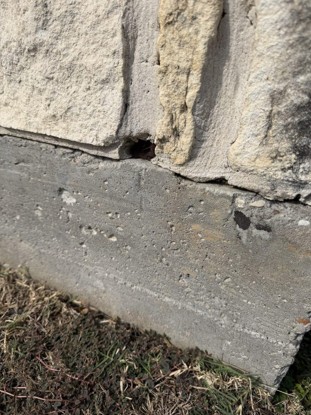
Caption: A gap in stone veneer near the slab can provide pests with a direct entry point.
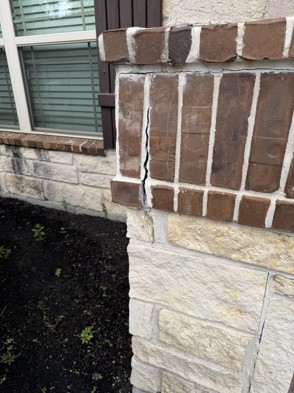
Caption: A gap in stone veneer near the slab can provide pests with a direct entry point.
3. Check Door Sweeps and Garage Seals
Inspect exterior doors, including the garage-to-house door, for worn weatherstripping and visible gaps. Replace damaged sweeps and seals.
Avoid storing lumber or other materials directly beside garage entrances, where they can provide additional pest shelter.
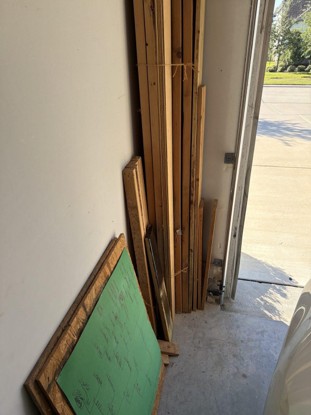
Caption: Lumber stored beside a garage door provides shelter, while gaps beneath the door may allow pests to enter.
4. Trim Vegetation Touching the House
Cut back branches and shrubs touching siding, windows, or roofing. Maintain clearance around exterior walls to reduce pest access and prevent vegetation from trapping moisture against building materials.
5. Remove Standing Water
Inspect birdbaths, plant saucers, outdoor toys, tarps, and gutters after rainfall. Empty unnecessary containers and maintain water features regularly.
Unused planters deserve attention because they can collect rainwater and provide shelter for insects.
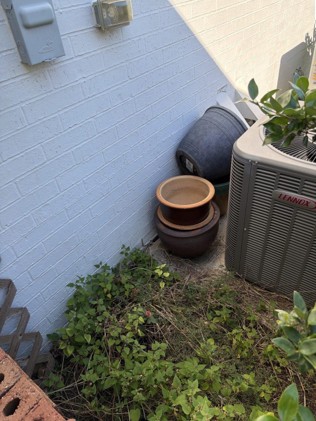
Caption: Empty planters beside an AC condenser can collect rainwater and shelter insects.
6. Store Firewood Away from the House
Keep firewood off the ground when practical and avoid stacking it against exterior walls. Bring indoors only what you plan to use immediately to reduce the chance of carrying insects inside.
7. Clean Gutters and Check for Moisture Problems
Remove accumulated leaves and pine needles, and confirm that gutters and downspouts drain properly.
Inspect fascia boards, soffits, and exterior trim for persistent dampness or deterioration. Moisture-damaged wood can create favorable conditions for carpenter ants and increase concerns about termites.
8. Inspect Holiday Decorations Before Bringing Them Indoors
Open long-stored decoration bins in the garage before moving them into living spaces. Check wreaths, garlands, and other decorations for insects, webs, or nesting material.
Use sealed containers when packing everything away.
9. Keep Pantry and Pet Food Properly Stored
Store flour, sugar, nuts, cereals, and pet food in tightly sealed containers. Check older packages for insects or damaged packaging, and clean up food spills promptly.
10. Maintain Your Pet’s Flea Prevention Schedule
Continue veterinarian-recommended flea prevention throughout fall. Check pets for excessive scratching or visible fleas, and address suspected infestations promptly.
Common Fall Pest Control Mistakes to Avoid
Some pest control attempts can make an existing problem harder to manage. Three mistakes are particularly worth avoiding.
Spraying Ant Trails Without Identifying the Species
Killing visible ants does not necessarily eliminate their colony. Certain species, including Pharaoh ants, may spread into additional nesting sites when disturbed by inappropriate treatments.
Using Mosquito Treatments Without Addressing the Source
Repeatedly spraying adult mosquitoes without addressing breeding sites may provide only temporary relief. Effective mosquito control combines source reduction with appropriate, label-compliant treatments when needed.
Pouring Household Chemicals into Fire Ant Mounds
Gasoline, bleach, and other household chemicals are not appropriate fire ant treatments. They can create safety and environmental hazards without reliably eliminating the colony. Use products specifically labeled for fire ant control and follow their directions.
What Makes a Professional Fall Pest Treatment Effective?
An exterior perimeter treatment can help control exposed pests, but it may not reach insects sheltering inside wall voids or other concealed spaces. Effective treatment starts with identifying the pest, locating its activity and selecting an appropriate approach.
Rain, sunlight, and other conditions can also affect how long an exterior treatment remains effective.
If the source of the infestation is never addressed, the same pest problem can return between visits. This is why Proper Pest Control emphasizes identifying pest activity and treating the areas contributing to it.
Identify the Pest and Its Activity Areas
We look beyond visible activity to identify where pests are hiding, entering, or nesting. Depending on the findings, we may inspect:
- Concealed spaces: Wall voids, attic edges, weep holes, and gaps behind exterior trim.
- Indoor pathways: Kitchens, bathrooms, garages, attics, and plumbing penetrations.
- Outdoor sources: Nesting areas, moisture problems, and sheltered spaces around the property.
Choose the Appropriate Treatment for the Pest
Treatment is selected according to the species and location, rather than applied uniformly.
- Ants: Species-appropriate baits and targeted applications.
- Fire ants: Yard bait applications when conditions support effective foraging.
- Concealed insects: Dry pyrethrin dust applied to suitable wall voids and other concealed spaces, where permitted by the product label.
- Other activity: Targeted residual treatments where necessary and permitted by the product label.
The principle is simple: Apply the right product in the right location instead of spraying more than necessary.
Address Conditions That Contribute to Recurring Problems
We also check for entry points, moisture, and conditions that support nesting. These findings help homeowners understand what needs correction. We remain alert for termite warning signs, including mud tubes near the slab, damp wood, and wood-to-soil contact. A routine observation does not replace a dedicated termite inspection. Sealing openings or completing structural repairs may require separate work.
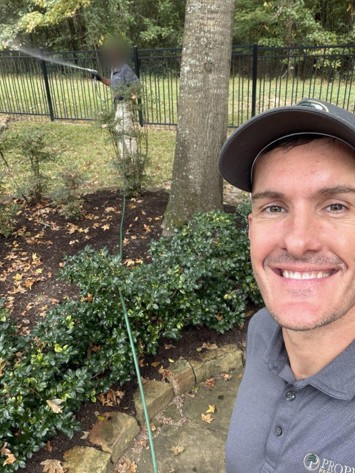
Caption: On an annual service, addressing areas associated with carpenter ant and wasp activity.
When Should You Call a Professional for Fall Pest Problems?
Not every pest sighting requires professional treatment. However, recurring activity or signs of an established infestation may indicate a problem that routine home maintenance cannot resolve.
Consider contacting a pest control professional in The Woodlands when:
- Ants keep returning.
- Cockroaches appear frequently indoors.
- Wasps nest near occupied areas.
- Termite activity is suspected.
- The source remains unclear.
A professional can determine what is causing the activity and recommend an appropriate treatment plan before the problem becomes more difficult to manage.
About Proper Pest Control
Proper Pest Control is a veteran-owned, locally operated residential pest control company serving The Woodlands and Montgomery County. We offer a once-a-year premium service with hassle-free, no-charge callbacks, plus termite (WDI) inspections for homebuyers and the agents and inspectors who represent them. Licensed by the Texas Department of Agriculture. Learn more or
request service at properpestcontroltx.com.
This article may be shared or linked to with attribution to Proper Pest Control. Real estate agents, home inspectors, and HOA managers are welcome to reproduce the homeowner checklist for their clients.
Protect Your Home with Pest Control That Addresses the Source
Cooler weather won’t resolve an existing pest problem. If ants, cockroaches, or other pests keep returning, Proper Pest Control can help you take the next step.
Locally operated and serving The Woodlands, Spring, Conroe, and surrounding Montgomery County communities, we offer premium annual residential pest control with personalized attention, convenient service, clear communication, and straightforward recommendations.
Termite/WDI inspections and other specialized services may be available separately; confirm the current scope when scheduling.
Contact our team to discuss your pest concerns and find the right service for your home.
Frequently Asked Questions
Does a hard freeze eliminate pests around my home?
Not necessarily. Freezing temperatures can kill exposed insects, but many survive in wall voids, attics, garages, soil, and other protected spaces. In The Woodlands, warmer days following a freeze can allow surviving pests to become active again. A hard freeze does not guarantee that an infestation is eliminated.
Is it too late to treat fire ants in November?
No. November treatment may still be effective when fire ants are actively foraging. Temperature, rainfall, and the treatment method affect timing. Apply bait only when conditions meet the product label’s requirements.
I just saw one big roach in the kitchen. Do I have an infestation?
Not necessarily. A single large American or smokybrown cockroach may have wandered indoors from outside, especially during fall weather changes. However, seeing two or three cockroaches a week warrants closer investigation. Small, light-brown cockroaches around dishwashers, coffee makers, or kitchen cabinets are more concerning because they may indicate German cockroach activity and an established indoor infestation.
Why do I see more spiders during fall?
Spiders may become more noticeable as they mature, build larger webs, or follow insect prey into sheltered areas. Repeated indoor sightings can be a reason to check for entry points and the insects attracting them.
Should I worry about termites during winter?
Yes. Subterranean termite colonies can continue feeding when soil temperature and moisture conditions are suitable, even outside spring swarming season. Suspected activity warrants a dedicated termite inspection.
Is pest control treatment safe for children and pets?
Safety depends on the product, application method, and compliance with label instructions. Ask which areas will be treated, what precautions are required, and when children and pets can reenter. Proper Pest Control emphasizes clear communication about treatment recommendations.
Can I handle a fall pest problem myself?
Homeowners can manage sanitation, moisture control, and basic property maintenance. Recurring infestations, active wasp nests, and suspected termite activity generally warrant professional assessment, particularly when the source remains unidentified.
Does annual pest control cover termites, mosquitoes, and other pests?
Coverage depends on the service plan. Proper Pest Control offers premium annual residential pest control, while termite/WDI inspections and other specialized services may be handled separately. Confirm which pests, treatments, and follow-up services are included before scheduling.
Sources